
Article by
Aaisha
A passionate content writer at PYQKosh focused on simplifying Current Affairs and PYQs for competitive exam aspirants. I love turning complex topics into easy, student-friendly content that helps learners prepare smarter and stay consistent in their exam journey.
The UPSC Prelims 2026 paper is done. The dust is settling. For many, there's a familiar feeling of being overwhelmed, a sense that despite months of hard work, the questions felt completely alien.
You might be thinking, "I finished the syllabus, so why couldn't I perform?" This is the exact question that separates a serious aspirant from the crowd. The truth is, the 2026 paper wasn't unpredictable; it was a test of strategy.
This analysis will break down exactly how PYQ analysis could have helped you tackle UPSC Prelims 2026. More importantly, it will give you a clear, actionable plan to use these lessons and conquer the 2027 attempt.
The UPSC Prelims 2026 Aftermath: Why Your Hard Work Felt Wasted
If you walked out of the exam hall feeling lost, you're not alone. The paper continued the trend of the last few years—moving away from direct factual recall and towards deep, analytical understanding. Simply "finishing the syllabus" was a trap.
Strategic preparation, not random reading, was the key. Those who understood this were able to navigate the paper with confidence. (UPSC Civil Services Examination)
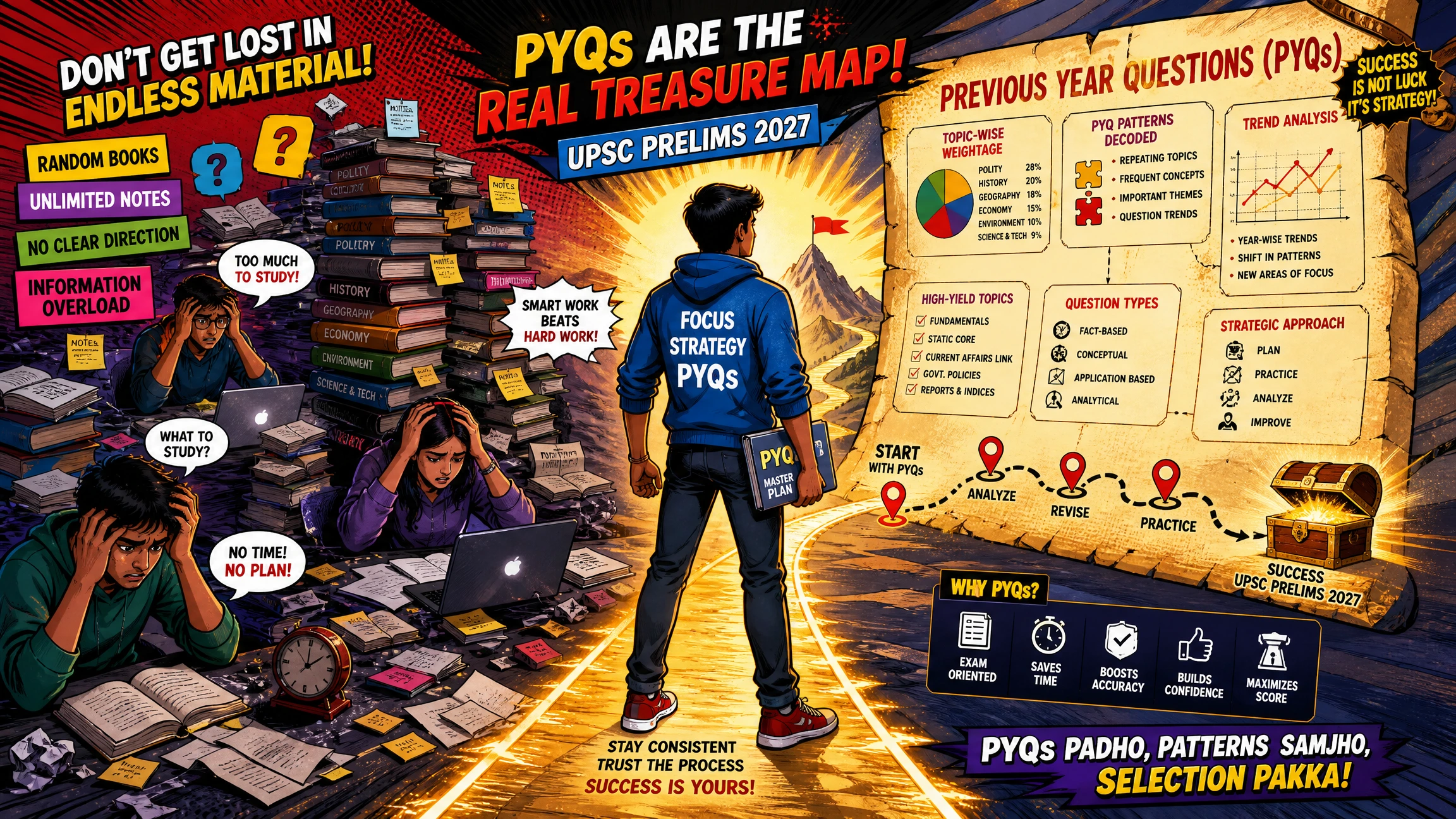
The Trap of Endless Resources
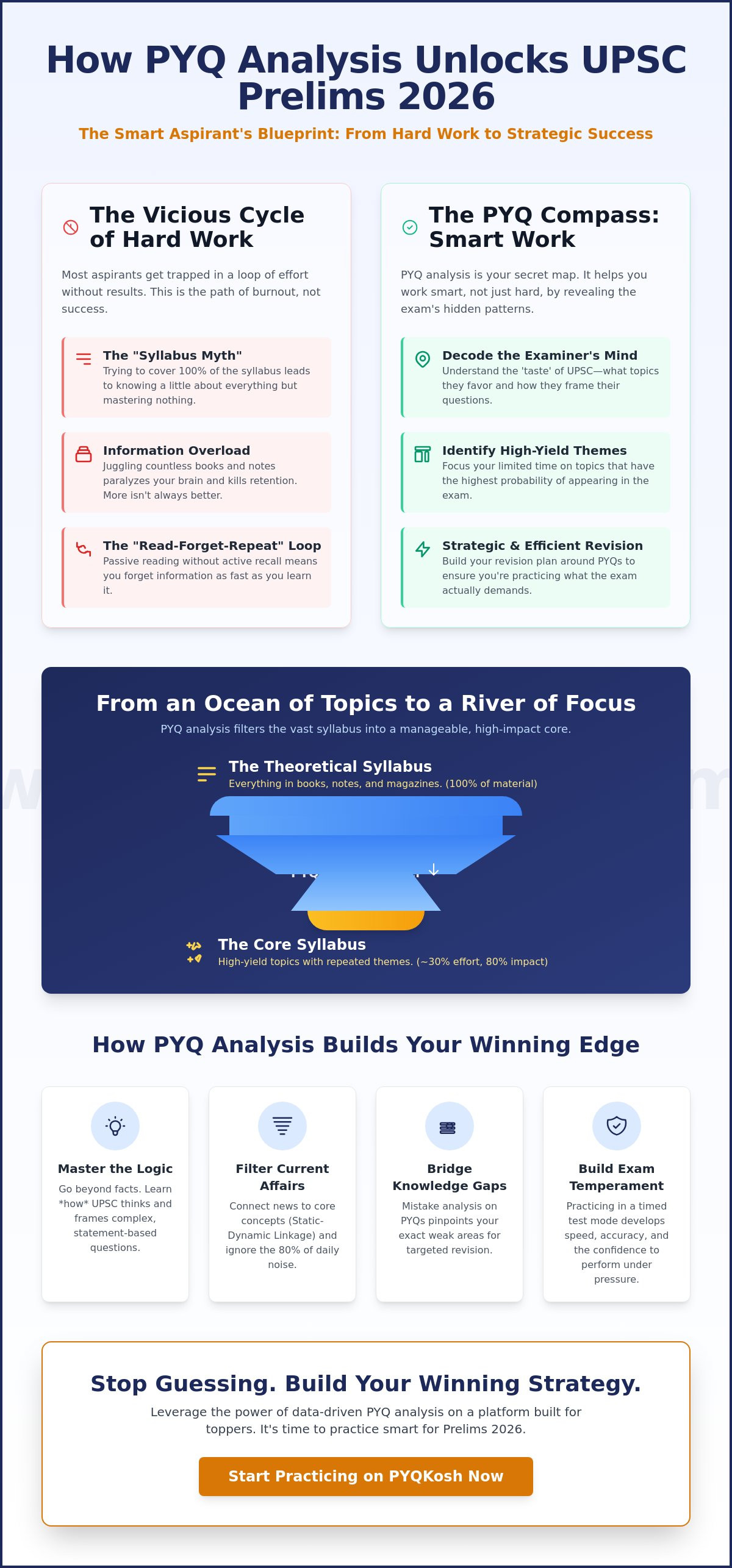
Too many books, endless coaching notes, and a dozen different test series create "information overload." This paralysis was a major reason for failure in 2026. Aspirants got stuck in a cycle of reading, forgetting, and re-reading without ever truly mastering a topic.
Your brain can't retain everything. The goal isn't to know everything; it's to know what UPSC considers important.
Why the 2027 Attempt Demands a Different Approach
The 2026 paper proved it once again: rote learning is dead. The increasing complexity of statement-based questions and "pairs" questions means you need a data-backed study plan. You need to know which themes are high-yield and which are peripheral.
This is where analyzing Previous Year Questions (PYQs) shifts from a simple practice tool to your primary strategic weapon for 2027.
Decoding the Examiner’s Mind: Your Secret Compass for 2027
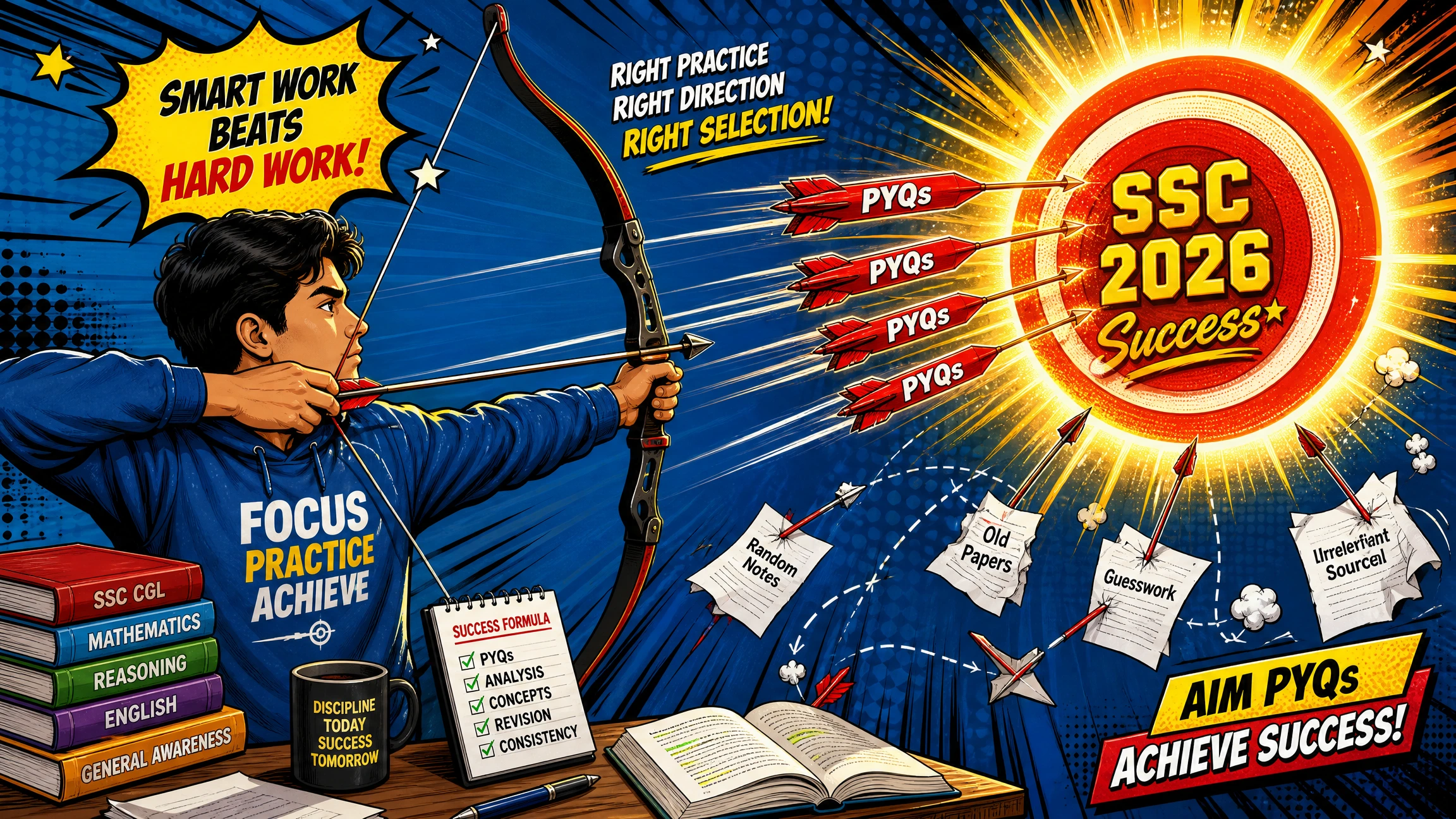
PYQ analysis isn't just about solving old questions. It's the art of studying themes, logic, and question-framing techniques to understand the examiner's mindset.
UPSC rarely repeats questions, but it repeats themes relentlessly. Your job is to find these themes. PYQ analysis is the bridge between reading theory and applying it under exam pressure.
Identifying the Core vs. the Periphery
A look back at the 2026 paper would show that certain topics, like Socio-religious reforms in History or key functions of the Parliament in Polity, appeared again in a new form. This wasn't a surprise; it was a pattern.
Analyzing PYQs helps you differentiate between "Must Know" topics and "Good to Know" topics. You start noticing the examiner's bias towards specific international bodies, environmental conventions, or constitutional articles.
The Filter for Current Affairs
Did you feel like you were drowning in daily news before the 2026 exam? PYQs are the ultimate filter. They teach you to spot the "Static-Dynamic Linkage" that UPSC loves.
For 2027, instead of reading every single event, use PYQs to ask: "Has UPSC asked about this theme before?" This focus helps you ignore 80% of the noise and concentrate on what truly matters. You can check out some of these linked Current Affairs Topics to see this in action.
Topic-wise vs. Subtopic-wise Practice: The Lesson from 2026
Many aspirants practiced "Polity" as a whole subject and felt confident. But the 2026 paper might have asked a deep, tricky question on "Panchayati Raj," catching them off guard.
This is the difference between broad practice and granular mastery. Subtopic-wise practice builds true confidence, one small win at a time. It’s the most efficient way to prepare for 2027.
Why General Practice Fails
General practice hides your specific weaknesses. You might score well in a full-length History test but consistently get questions on Ancient India wrong. This creates a false sense of security that shatters on exam day.
The 2026 paper exposed these hidden weaknesses for many. For 2027, you can’t afford to be blind to them.
The Anatomy of a Subtopic Practice Plan
For your 2027 preparation, break down every subject into its core components. Economy isn't just one subject; it's "Banking," "Inflation," "Taxation," and "External Sector."
Master one subtopic completely before moving to the next. The psychological benefit of "checking off" these small units is immense. It turns the mountain of the UPSC syllabus into a series of manageable hills. Start your structured UPSC CSE Subtopic-wise PYQ practice now to build this momentum.
Bridging the Gap: A Plan for Your 2027 Comeback
Success in 2027 is about filling the knowledge holes revealed by the 2026 paper, not just adding more books to your shelf. Your first step should be a thorough analysis of every single question from the 2026 Prelims.
Ask yourself *why* you got a question wrong. Was it a conceptual gap, a reading error, or a silly mistake? This "Mistake Analysis" is where the real learning happens.
The Reverse Engineering Method
Take a question from the 2026 paper and trace it back to its source. Was it from a standard textbook, a government report, or a specific newspaper article? This method helps you identify the source materials UPSC prefers for certain subtopics.
For example, reverse-engineering a Geography question might lead you directly to a specific map or region highlighted in the NCERTs. This is an invaluable insight for your 2027 prep.
Tracking Your Progress with Data
A simple diary isn't enough to track your progress across thousands of questions. For 2027, you need data. You need to know your accuracy percentage for every single subtopic.
Knowing you have a 40% accuracy in "Fundamental Rights" is a clear signal to revise that subtopic immediately. This data-driven approach removes all guesswork from your revision plan.
Mastering UPSC Prelims 2027 with PYQKosh
The lessons from 2026 are clear: you need a smart, data-driven, and granular approach. PYQKosh is designed to be that "smart mentor" in your pocket, helping you implement this exact strategy.
With a database of over 100,000 questions, all sorted subtopic-wise, you can stop wasting time on random practice and focus on what truly moves the needle.
Practice and Test Modes for 2027
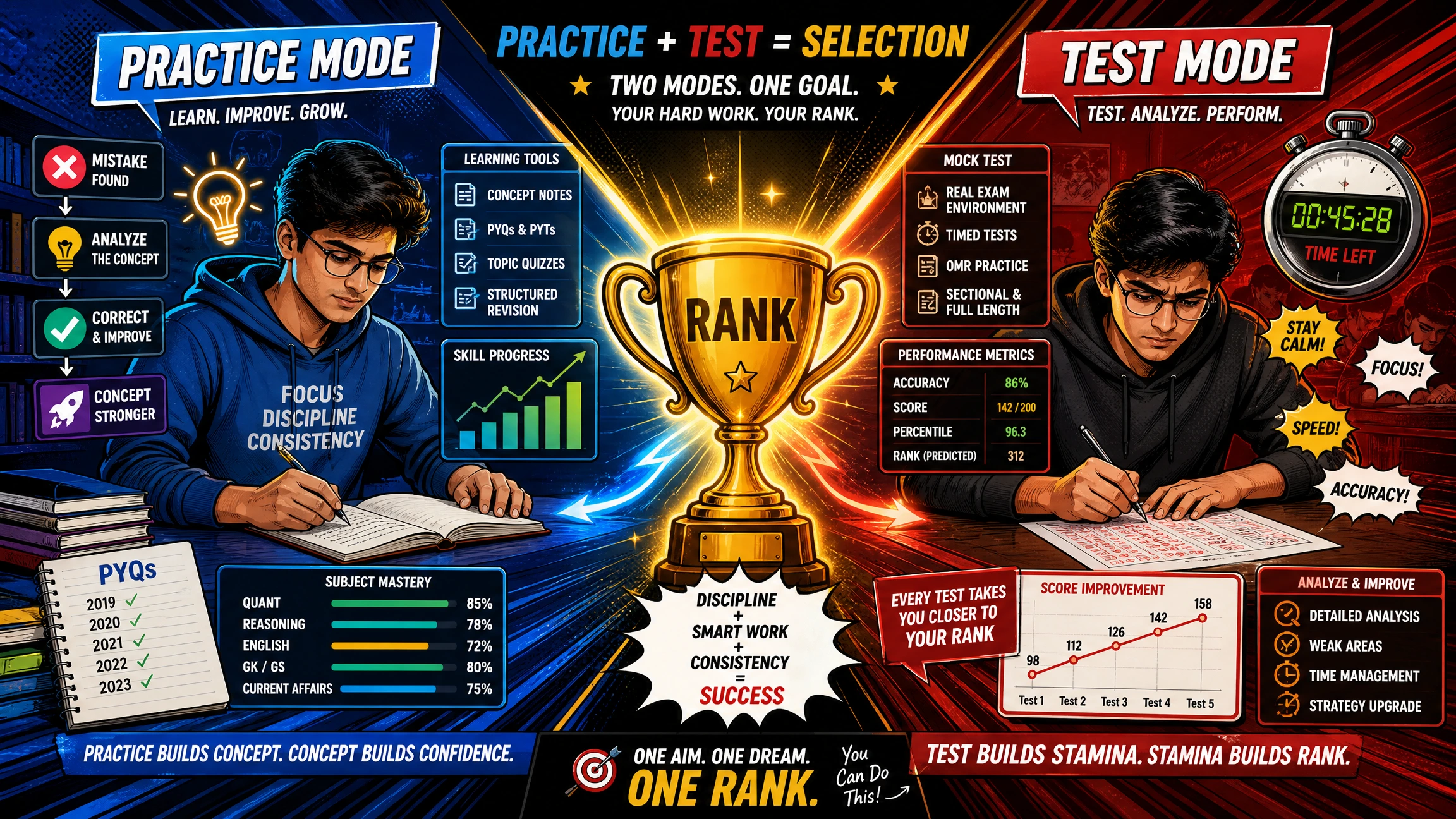
Your preparation needs two phases: learning and simulating. Use Practice Mode to learn concepts without the pressure of time. Use Test Mode to build exam temperament and manage anxiety.
Understanding the difference between these two is crucial. Learn more about how to use Practice Mode vs. Test Mode to maximize your score.
Your Personalized Performance Dashboard
PYQKosh’s AI-powered analytics give you a clear view of your strengths and weaknesses. It identifies your "Danger Zones"—the subtopics where you are consistently making mistakes—so you can fix them long before the actual exam.
Stop the cycle of random hard work. Let the 2026 paper be your final lesson. It's time to replace guessing with a clear, data-backed strategy for your 2027 attempt.
Start your subtopic-wise UPSC practice on PYQKosh today and build a winning strategy for 2027!